Published November 19, 2026
By Lincoln Exteriors
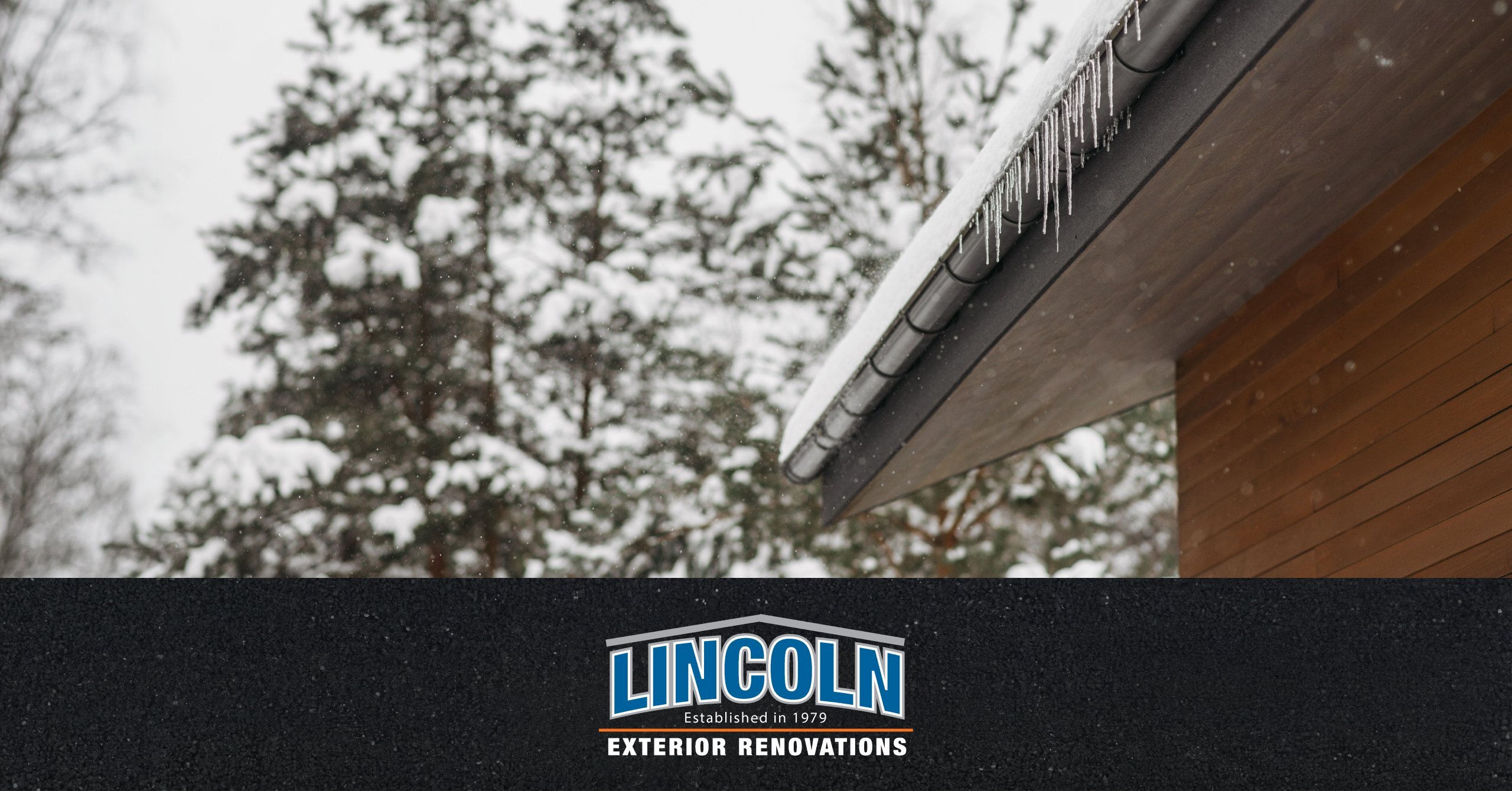
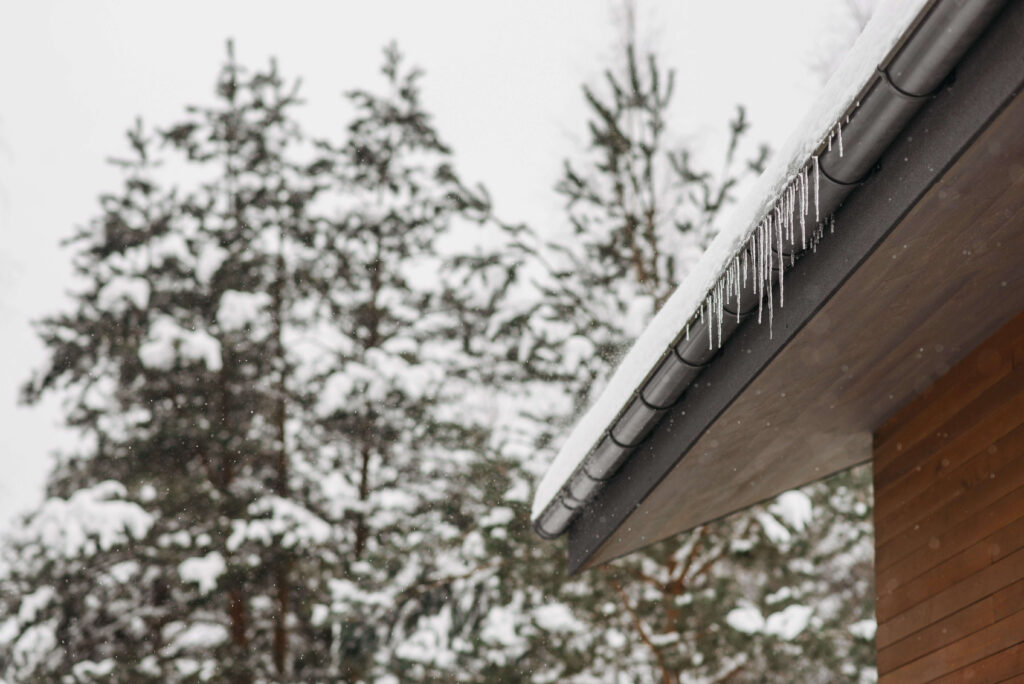
A row of icicles hanging from your roofline might look like a classic Canadian winter scene. But large icicles and thick ridges of ice along the edge of your roof can be a sign of something more serious: an ice dam.
Ice dams trap melting snow on your roof, and that water has to go somewhere. Too often, it ends up under your shingles, inside your attic, and eventually in your walls and ceilings. For Calgary homeowners, where snow can sit on the roof for weeks and chinooks bring sudden melts, ice dams are a real winter risk.
The good news is that most ice dams are preventable. Here’s what causes them, the warning signs to watch for, and how to protect your roof before the next big snowfall.
What Is an Ice Dam?
An ice dam is a ridge of ice that forms along the lower edge of your roof and stops melting snow from draining off. Here’s how it happens:
- Heat escapes into your attic. Warm air from inside your home leaks into the attic through gaps in insulation, light fixtures, attic hatches and other openings.
- The upper roof warms up. That heat warms the roof deck, causing snow on the upper part of the roof to melt, even when it’s well below freezing outside.
- Meltwater refreezes at the edge. The water runs down the roof until it reaches the eaves, which hang out past the walls of your home and stay cold. There, it refreezes.
- The ridge grows. As this cycle repeats, the ice builds into a dam. New meltwater pools behind it with nowhere to go, and it can work its way under shingles and into your home.
In short, ice dams are usually caused by a roof that’s warm in some places and cold in others. That’s why prevention focuses on keeping your entire roof at a more even temperature.
Why Calgary Homes Are Prone to Ice Dams
Calgary’s climate creates almost perfect conditions for ice dams. Cold stretches let snow pile up on roofs, then a chinook can push temperatures well above freezing within hours. Snow melts quickly, then refreezes as soon as the temperature drops again.
Winters with heavy, lasting snowfall are especially risky. The deeper the snow on your roof, the more it insulates the roof surface and the more meltwater it can produce.
Older homes are often more vulnerable too. Many were built with less attic insulation and ventilation than today’s standards, which means more heat reaches the roof deck. Even newer homes can have problem spots around skylights, valleys and areas where the attic isn’t properly sealed.
Warning Signs of an Ice Dam
You don’t need to climb on your roof to spot a potential ice dam. From the ground, look for:
- Large, thick icicles hanging from the eaves or eavestroughs
- A ridge or sheet of ice along the lower edge of the roof
- Uneven snow melt, where the upper roof is bare but snow and ice remain near the edge
- Eavestroughs packed with ice or pulling away from the house
- Water stains or damp spots on ceilings or walls near exterior walls, especially upstairs
- Frost or moisture in the attic, which our post on attic rain explains in more detail
What Damage Can Ice Dams Cause?
Left alone, ice dams can lead to:
- Water leaking under shingles and into the attic, walls and ceilings
- Wet insulation that loses its effectiveness and can lead to mould
- Stained or damaged drywall and paint
- Lifted or damaged shingles
- Eavestroughs and fascia pulled down by the weight of the ice
Because much of this damage happens out of sight, it can go unnoticed until spring, when the repairs are much bigger.
How to Prevent Ice Dams
The goal is simple: keep your roof cold and evenly cold, so snow doesn’t melt in one spot and refreeze in another.
Improve attic ventilation. A properly vented attic lets cold outside air flow in through the soffits and warm air escape near the peak, keeping the roof deck closer to the outdoor temperature. Learn more in our guide all about roof ventilation.
Seal air leaks and add insulation. Gaps around light fixtures, vents, chimneys and attic hatches let warm air into the attic. Sealing those leaks and topping up insulation keeps heat inside your living space where it belongs, and it can lower your heating bills too. Our post on winter upgrades that improve energy efficiency covers more ways to tighten up your home.
Keep eavestroughs and downspouts clear. Clogged gutters hold water at the roof edge, where it freezes and gives an ice dam a head start. Clear them out in late fall once the leaves have dropped.
Remove heavy snow safely. After a big snowfall, a roof rake used from the ground can pull snow off the lower few feet of the roof, so there’s less to melt and refreeze. Never climb onto a snowy or icy roof.
Get the right protection when you replace your roof. A quality roof installation includes a waterproof membrane along the eaves, under the shingles, as a backup barrier if water does back up behind ice. It’s one of the details we look for in a well installed asphalt shingle roof, and an important reason to choose an experienced roofer for your roof replacement.
For a full seasonal checklist, see our fall and winter roof maintenance tips.
What to Do If You Already Have an Ice Dam
If you spot an ice dam forming, resist the urge to break it up yourself. Chipping at ice with a hammer, shovel or axe can easily damage your shingles and eavestroughs, and working on an icy roof is dangerous.
Instead:
Fix the root cause once the weather allows. Removing the ice solves today’s problem, but ventilation, insulation or roofing issues will cause it to come back next winter. A roofing inspection can help pinpoint what’s going on.
Remove snow from the ground with a roof rake to reduce the amount of meltwater feeding the dam.
Check inside for leaks, especially in upstairs ceilings, around windows on exterior walls and in the attic.
Call a professional for safe removal if the ice is large or water is getting inside. Our guide on how to handle a roofing emergency covers the first steps to take.
Protect Your Roof Before the Snow Piles Up
Ice dams are a common Calgary winter problem, but they don’t have to be a costly one. Good attic ventilation, proper insulation, clear eavestroughs and a well installed roof all work together to keep snow melting evenly and water flowing off your roof instead of into your home.
If you’ve dealt with ice dams before, or your roof is getting older, now is the time to have it checked. Lincoln Exterior Renovations has helped Calgary homeowners protect their homes since 1979, and our team can assess your roof and recommend the right solution, whether that’s a repair or a full roof replacement.
Request a free quote today, or call us at (403) 275-4871.